Rich Chocolate Lava Cake You Can Make at Home
Chocolate lava cake, also known as molten chocolate cake, has become a celebrated dessert in many American kitchens. Its appeal lies in the contrast between a firm, cake-like exterior and a warm, flowing chocolate center. While often associated with upscale restaurants, this dessert can be prepared at home with ingredients that are likely already in the pantry. Understanding the process and the role of each component helps home cooks achieve consistent results.
The simplicity of the recipe is part of its charm. Common staples such as butter, eggs, sugar, and chocolate form the base. The technique involves careful timing and temperature control rather than complex equipment. This article explores the principles behind the molten center, the function of each ingredient, and a step-by-step approach to creating a chocolate lava cake that holds its shape while delivering the intended liquid interior.
By focusing on preparation methods and ingredient interactions, the goal is to provide a reliable framework for making this dessert at home. The information presented here is intended for general guidance and is not a guarantee of specific outcomes, as factors such as oven calibration and ingredient freshness can influence the final result.
Understanding the Science Behind Lava Cake
The defining characteristic of a lava cake is its molten center, which is achieved through a precise balance of batter composition and baking time. The batter is intentionally underbaked in the center while the outer edges set. This is possible because the batter contains a relatively high proportion of fat and sugar, which affects how heat transfers through the mixture. The outer layer solidifies first, while the interior remains semi-liquid.
Eggs play a critical role in this process. They provide structure through protein coagulation, but the yolk-to-white ratio influences the firmness. Many lava cake recipes call for whole eggs and sometimes an extra yolk to reduce the overall water content and increase fat, which delays coagulation in the center. The sugar and butter also tend to raise the temperature at which the batter sets, giving the baker a window of time before the entire cake becomes firm.
Another important factor is the resting period after mixing. Allowing the batter to sit for a few minutes helps the flour absorb moisture and the chocolate melt evenly. This step contributes to a more uniform texture and reduces the risk of the center becoming too runny or overly set. The type of chocolate used also matters; higher cocoa content provides a deeper flavor but also alters the viscosity of the melted mixture.
Essential Ingredients and Their Roles
Each ingredient in a chocolate lava cake serves a specific purpose, and understanding these roles can help in making adjustments or substitutions when necessary. The primary components include chocolate, butter, eggs, sugar, flour, and sometimes a small amount of vanilla or salt.
-
Chocolate: Typically semi-sweet or bittersweet chocolate is preferred due to its balance of cocoa solids and sugar. The cocoa butter in chocolate contributes to the smooth texture of the molten center. Using chocolate with at least 60% cocoa content is common.
-
Butter: Provides richness and aids in creating a tender crumb. The fat content also helps the batter resist overbaking in the center. Unsalted butter is often recommended to control sodium levels.
-
Eggs: As mentioned, eggs provide structure and moisture. The yolks add fat and emulsifiers that help bind the batter. Some recipes use a combination of whole eggs and extra yolks to adjust the consistency.
-
Sugar: Adds sweetness and contributes to browning. Sugar also lowers the freezing point of the batter, which can be relevant if the batter is chilled before baking.
-
Flour: Usually all-purpose flour is used in small amounts. It provides just enough structure to hold the shape without making the cake dense. Too much flour can lead to a fully cooked center.
Optional additions such as a pinch of salt or vanilla extract can enhance the chocolate flavor. Using fresh, high-quality ingredients generally yields more predictable results, though the recipe remains adaptable to common pantry items.
Step-by-Step Preparation Process
Preparation begins by first preparing the baking vessels. Ramekins or small oven-safe cups are typically used, and they should be thoroughly greased with butter and dusted with cocoa powder or sugar to facilitate easy removal. This step is important because the cakes need to be inverted onto plates after baking.
The chocolate and butter are melted together, either in a double boiler or in short bursts in a microwave, stirring frequently to avoid scorching. Once melted and smooth, the mixture is allowed to cool slightly. Meanwhile, eggs and sugar are whisked until pale and slightly thickened. This step incorporates air that helps the cake rise. The melted chocolate mixture is then folded into the egg and sugar mixture gently to avoid deflating the batter.
Flour is sifted over the batter and folded in until just combined. Overmixing can develop gluten, leading to a tougher texture. The batter is then divided evenly among the prepared ramekins. Some recipes suggest refrigerating the filled ramekins for 15 to 30 minutes before baking, which can help the center remain molten more consistently.
Baking time varies depending on the size of the ramekins and the accuracy of the oven. A typical range is 10 to 14 minutes at 425°F (220°C). The cakes are done when the edges appear set and the center jiggles slightly when the ramekin is gently shaken. Overbaking will result in a fully cooked center, while underbaking may cause the cake to collapse entirely.
After baking, the cakes should rest for about one minute in the ramekins before being inverted onto plates. A knife can be run around the edge to loosen the cake. Serving immediately is recommended, as the molten center begins to set as it cools.
Tips for Consistent Results
Consistency in lava cake preparation depends on several variables. Oven temperature is one of the most significant factors. An oven thermometer can help verify that the actual temperature matches the setting. Placing ramekins on a baking sheet makes handling easier and promotes even heat distribution.
Timing may need adjustment based on the specific ramekin material. Ceramic dishes retain heat longer and may continue to cook the cake after removal from the oven. For this reason, pulling the cakes out when the center is still quite soft is often advisable. Glass or metal ramekins behave differently and may require shorter or longer baking times.
Another variable is the resting time after mixing. Allowing the batter to rest for 10 to 15 minutes after preparation can improve texture by allowing the flour to fully hydrate and any air bubbles to stabilize. If the batter is made ahead of time and refrigerated, the baking time will likely increase by a few minutes. Testing with a toothpick inserted into the edge (not the center) can provide a visual cue for doneness.
The process of making chocolate lava cake is a study in heat transfer and ingredient chemistry. Small adjustments in time, temperature, and ingredient ratios can shift the outcome, so experimentation within a given kitchen environment is often necessary.
Serving Suggestions and Pairings
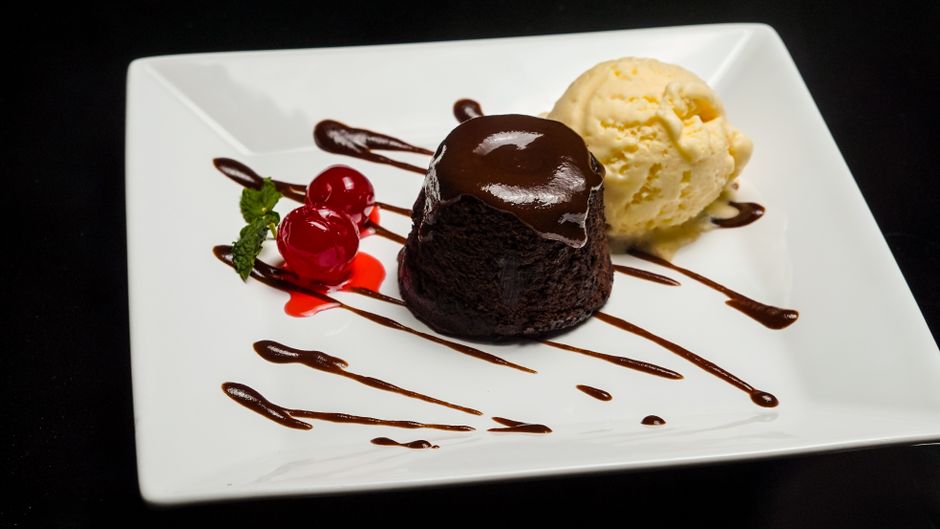
Lava cake is often served with accompaniments that complement its richness. A dusting of powdered sugar or a small scoop of vanilla ice cream can balance the intensity of the chocolate. Fresh berries, such as raspberries or strawberries, provide acidity and contrast. A light drizzle of caramel or a sprinkle of sea salt can also add complexity.
When considering pairings, beverages play a role. Coffee, milk, or a dessert wine like port or late-harvest Riesling are common choices. The goal is to offer a contrast in temperature or flavor that enhances the overall experience without overwhelming the cake itself.
Presentation is straightforward. Because the cake is inverted, it naturally forms a dome shape with the molten center spilling out when cut. A clean plate and minimal garnish often suffice. Preparing the batter in advance and baking just before serving allows the host to focus on other aspects of the meal while still offering a warm, freshly baked dessert.